
Social media marketing for beginners

Social Media Marketing for Beginners: Build Your Brand Online

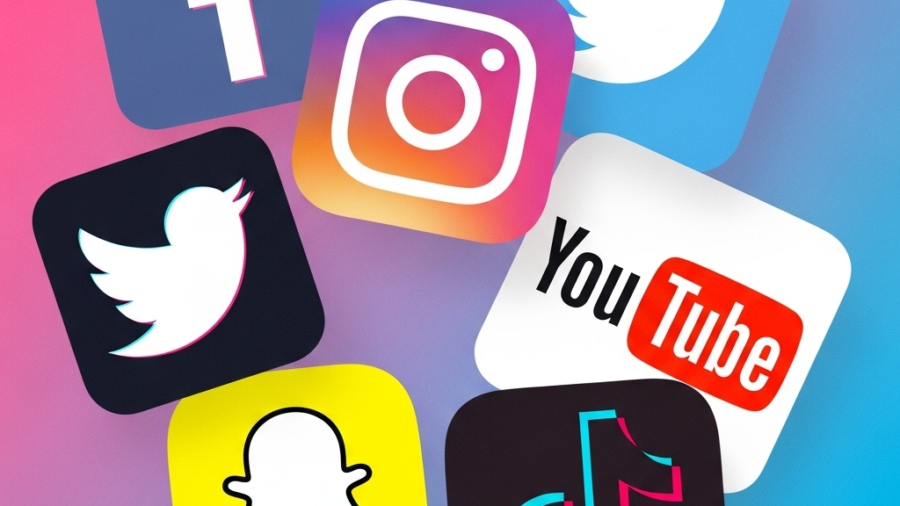
In today’s digital world, social media plays a major role in how people discover brands, products, and services. Platforms like Facebook, Instagram, LinkedIn, and YouTube allow businesses to connect directly with their audience, build trust, and grow their online presence.

Social Media Marketing (SMM) helps businesses promote their brand, engage customers, and achieve marketing goals through these platforms.

What Is Social Media Marketing?

Social Media Marketing is the use of social media platforms to promote products or services and connect with a target audience. It includes creating content, sharing posts, running paid advertisements, and interacting with followers.

Businesses use social media strategies to increase brand awareness, drive website traffic, and build long-term customer relationships.

Key Components of Social Media Marketing

1. Content Creation

Creating valuable and engaging content is the foundation of social media strategies. This content can include images, short videos, reels, blog links, infographics, and educational posts.

Each platform works differently, so content should be tailored to match the audience and style of each social media channel.

2. Audience Engagement

Engagement is more than just posting content. It involves replying to comments, responding to messages, and participating in conversations with followers.

Regular interaction helps build trust, improve brand credibility, and create a loyal online community.

3. Analytics and Performance Tracking

Social media platforms provide insights such as reach, likes, shares, comments, and clicks. Tracking these metrics helps businesses understand what content performs well.

By analyzing data, marketers can improve their strategy and focus on content that delivers better results.

4. Paid Advertising Campaigns

Social media advertising allows businesses to reach specific audiences based on age, location, interests, and behavior.

Paid ads are cost-effective and help increase visibility quickly, especially for new brands or product launches.

5. Influencer Marketing

Influencer collaborations involve partnering with creators who already have a trusted audience. Their recommendations can increase brand credibility and help reach new customers more effectively.

Choosing influencers who align with your brand values is key to successful campaigns.

Benefits of Social Media Marketing

  • Increases brand awareness and online visibility

  • Builds stronger relationships with customers

  • Provides cost-effective advertising options

  • Offers valuable insights into customer behavior

  • Helps drive website traffic, leads, and sales

How to Get Started with Social Media Marketing

If you’re new to marketing on social platforms, follow these simple steps:

  1. Set clear goals such as brand awareness, leads, or sales

  2. Identify your target audience and understand their interests

  3. Choose the right platforms where your audience is active

  4. Create a content plan and post consistently

  5. Engage with your audience and respond promptly

  6. Monitor performance and adjust strategies based on insights

Final Thoughts

Social media marketing is a powerful tool for building your brand online. With the right strategy, consistent effort, and meaningful engagement, businesses of all sizes can grow and succeed on social media platforms.

Start small, stay consistent, and focus on providing value to your audience.
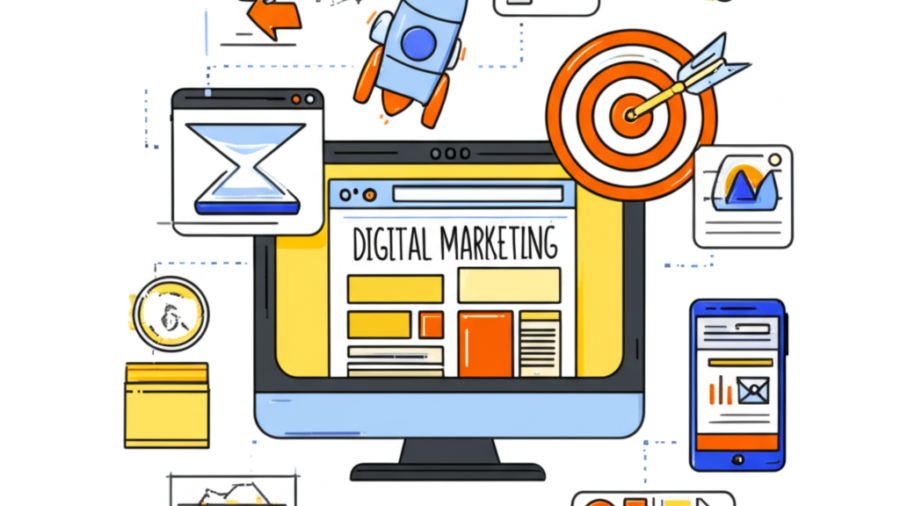
What is digital marketing

Digital Marketing 101: A Beginner’s Guide

What Is Digital Marketing? A Beginner-Friendly Guide

In today’s digital age, having a strong online presence is essential for businesses of all sizes. Digital marketing provides a powerful way to reach customers, build brand awareness, and grow sales using online platforms.

From small startups to large companies, businesses rely on digital marketing to connect with their audience where they spend most of their time—online.

What Is Digital Marketing?

Digital marketing simply means promoting products or services through the internet. It uses online channels such as websites, social media, search engines, and email to reach potential customers.

For example, when you see an ad on Instagram, search for something on Google, or receive a promotional email, you are experiencing digital marketing.

Instead of traditional advertising like newspapers or billboards, digital marketing focuses on modern platforms such as:

  • Websites – Your online business hub

  • Social Media – Platforms like Facebook, Instagram, YouTube, and X

  • Search Engines – Helping users find you through SEO or paid ads

  • Email Marketing – Sending updates, offers, and newsletters

  • Online Advertising – Display and search ads across websites and apps

The main goal is to reach the right audience at the right time and measure results accurately.

Why Is Digital Marketing Important?

Digital marketing has become essential because it offers many advantages over traditional marketing methods.

  • It helps businesses reach a global audience, not just local customers

  • It is cost-effective, especially for small and medium businesses

  • Businesses can target specific audiences based on interests, age, location, and behavior

  • Results can be tracked in real time, such as clicks, traffic, and sales

  • It provides valuable data and insights for better decision-making

  • Builds brand awareness and trust through consistent online visibility

  • Allows small businesses to compete with larger brands

  • Marketing campaigns can be adjusted quickly when needed

  • Online marketing works 24/7, reaching customers anytime

  • Offers a strong return on investment (ROI)

Key Components of Digital Marketing

1. Search Engine Optimization (SEO)

SEO helps your website appear higher on search engines like Google. When people search for information, products, or services, SEO ensures your website is easy to find.

SEO involves:

  • Using the right keywords naturally in content

  • Creating high-quality and helpful articles

  • Improving website speed and mobile friendliness

  • Earning backlinks from trusted websites

SEO is a long-term strategy, but it brings consistent and free traffic to your website over time.

2. Content Marketing

Content marketing focuses on creating valuable and informative content instead of directly selling products.

This includes:

  • Blog posts

  • Articles

  • Videos

  • Infographics

  • Podcasts

By sharing helpful content, businesses build trust and credibility. Over time, customers are more likely to choose brands that educate and support them rather than push sales aggressively.

3. Social Media Marketing

Social media marketing uses platforms like Facebook, Instagram, YouTube, and X to connect with audiences.

It helps businesses:

  • Share engaging content

  • Build brand awareness

  • Interact directly with customers

  • Run targeted paid advertisements

By responding to comments and messages, brands create stronger relationships and loyal communities.

4. Pay-Per-Click (PPC) Advertising

PPC advertising allows businesses to show ads online and pay only when someone clicks on them.

Popular PPC platforms include Google Ads and social media ads. PPC is useful for:

  • Getting quick traffic

  • Targeting specific audiences

  • Controlling advertising budgets

  • Tracking conversions and performance

It is a powerful way to generate leads and sales quickly.

5. Email Marketing

Email marketing is a direct way to communicate with people who have agreed to receive updates from your business.

It is used for:

  • Newsletters

  • Product updates

  • Promotional offers

  • Customer relationship building

Email marketing is affordable, easy to track, and highly effective when done correctly.

How to Start Digital Marketing (Beginner Steps)

If you’re new to digital marketing, start with these simple steps:

  1. Set clear goals (traffic, leads, sales, or brand awareness)

  2. Understand your target audience

  3. Choose the right platforms

  4. Create useful and engaging content

  5. Build a professional website

  6. Learn the basics of SEO and social media

  7. Start small and test strategies

  8. Analyze performance using tools like Google Analytics

  9. Improve and optimize continuously

  10. Stay updated with trends and tools

Final Thoughts

Digital marketing is no longer optional—it is essential for business growth in the modern world. With the right strategies, even small businesses can compete, grow, and succeed online.

By learning digital marketing step by step and focusing on value, consistency, and trust, anyone can build a strong and sustainable online presence.

Digital marketing trends in 2025

Digital Marketing Trends to Watch in 2025

Digital marketing trends for 2025 are changing faster than ever. With AI, short-form videos, and immersive technologies on the rise, businesses in India must adapt to stay competitive. Consumers are also becoming more conscious about privacy and trust, making it essential for brands to use these trends wisely.

 1. AI-Driven Personalization: Top Digital Marketing Trend for 2025

Artificial Intelligence (AI) is transforming how brands connect with customers. In 2025, AI helps marketers understand user behavior in real time and deliver highly personalized experiences.

From customized product recommendations to personalized emails and website content, AI makes marketing more relevant and engaging. For example, e-commerce platforms analyze browsing history and purchase patterns to suggest products users are more likely to buy. This improves customer satisfaction and boosts conversion rates.

2. Short-Form Video Content: A Key Digital Marketing Trend for 2025

Short-form videos remain one of the most powerful content formats in digital marketing. Platforms like Instagram Reels, YouTube Shorts, and similar video features continue to grow rapidly.

In India, content in regional languages is gaining massive popularity. Brands that create short, engaging videos in local languages can connect more deeply with their audience. These bite-sized videos are easy to consume, highly shareable, and perfect for grabbing attention quickly.

3. Advanced Personalization Techniques in Digital Marketing Trends for 2025

Personalization in 2025 is no longer limited to adding a user’s name in an email. Consumers now expect brands to understand their preferences, interests, and needs.

Marketers are using data to deliver personalized website experiences, targeted offers, and relevant content at the right time. When done correctly, personalization helps build stronger relationships and improves customer loyalty.

4. Metaverse and Immersive Experiences: Emerging Digital Marketing Trends for 2025

The metaverse and immersive technologies like Augmented Reality (AR) and Virtual Reality (VR) are still in the early stages in India, but their impact is growing.

Brands are experimenting with virtual product trials, AR filters, interactive 3D experiences, and virtual showrooms. These technologies help create memorable brand experiences by blending the digital and physical worlds, making marketing more engaging and interactive.

5. Privacy, Transparency, and Trust: Essential Digital Marketing Trends for 2025

As digital usage increases, consumers are becoming more concerned about how their data is collected and used. In 2025, trust will be a key factor in digital marketing success.

Businesses must focus on ethical marketing practices, follow data protection rules, and clearly communicate their privacy policies. Brands that respect user privacy and build transparent relationships will gain long-term customer trust.

Final Thoughts

Digital marketing in 2025 is not just about using the latest tools—it’s about understanding people. By embracing AI, video content, personalization, immersive experiences, and ethical data practices, businesses can stay competitive and grow sustainably.

The future belongs to brands that adapt, connect authentically with their audience, and build trust in the digital world.

❓ Frequently Asked Questions

Q1. What are the top digital marketing trends in 2025?
AI-driven personalization, short-form video content, immersive experiences like AR/VR, data privacy, and advanced personalization are the key trends in digital marketing in 2025.

Q2. Why is digital marketing important in 2025?
Digital marketing helps businesses reach the right audience, measure performance, build trust, and stay competitive in an online-first world.

Q3. How does AI help digital marketing in 2025?
AI helps analyze customer behavior, automate campaigns, personalize content, and improve decision-making for better results.

Q4. Is video marketing still effective in 2025?
Yes, short-form video content continues to dominate, especially on mobile platforms and regional-language content in India.

Q5. How can small businesses benefit from digital marketing in 2025?
Small businesses can reach targeted audiences, control budgets, track performance, and grow faster using SEO, social media, and content marketing.