Title: Boost Your Website: Simple Strategies for Earning High-Quality Backlinks!

You already know that backlinks are super important for getting your website noticed by search engines like Google. They’re like digital high-fives that tell the world your content is valuable! But how do you actually get these powerful links without resorting to spammy tactics? No worries! This blog post is your friendly guide to simple, effective link-building strategies that anyone can use. Let’s dive in and start earning those valuable votes of confidence! 1. Create Link-Worthy Content: Be So Good, They Can’t Ignore You!    http://googleusercontent.com/image_generation_content/1 This is the golden rule! The absolute best way to earn backlinks naturally is to create content that’s so awesome, so insightful, or so helpful that other people naturally want to link to it. Think of it like this: if you write an incredible guide on “The Ultimate Beginner’s Guide to Urban Gardening,” other gardening blogs, news sites, or even gardening product companies might link to it as a valuable resource for their readers. What makes content “link-worthy”? Original Research & Data: Conduct your own surveys, experiments, or compile unique data. This is gold! In-Depth Guides & Tutorials: Break down complex topics into easy-to-understand steps. Ultimate Resources: Create comprehensive lists, toolkits, or definitive answers to common questions. Compelling Infographics & Visuals: Sometimes, a picture (or an infographic!) is worth a thousand links. Controversial or Thought-Provoking Articles: Content that sparks discussion can attract links. Entertaining & Engaging Stories: People love to share stories that resonate with them. Pro Tip: Don’t just publish and forget! Promote your amazing content on social media, in forums, and through email newsletters to get it seen by more eyes. The more people who see it, the higher the chance of earning those sweet backlinks. 2. Guest Blogging Basics: Share Your Expertise, Gain a Link!    http://googleusercontent.com/image_generation_content/2 Guest blogging means writing an article for another website or blog in your niche. It’s a fantastic way to showcase your expertise, reach a new audience, and, yes, earn a valuable backlink to your own site! How to get started with Guest Blogging: Find Relevant Blogs: Search for blogs in your industry using keywords like “your niche + guest post,” “your niche + write for us,” or “your niche + submit article.” Look for sites with good authority and an engaged audience. Read Their Guidelines: Every blog has specific rules for guest posts. Pay attention to topics, word count, tone, and linking policies. Pitch Great Ideas: Don’t just ask if you can write. Instead, propose a few unique, valuable topic ideas that would genuinely benefit their readers and fit their content style. Show them you’ve done your homework! Craft a High-Quality Post: This is your chance to shine! Write an informative, well-researched, and engaging article. Include a Natural Link: Most guest post opportunities allow you to include one or two links back to your website within the content (if relevant) or in your author bio. Make sure it’s natural and adds value. Remember: The goal is to provide value to their audience first. The backlink is a bonus for your contribution. 3. Leveraging Social Media to Earn Links: The Indirect Powerhouse!    http://googleusercontent.com/image_generation_content/3 Social media platforms like Facebook, X (formerly Twitter), LinkedIn, and Pinterest aren’t typically direct sources of “do-follow” backlinks (the kind that pass SEO value). However, they are incredibly powerful tools for earning links indirectly. How social media helps with link building: Content Amplification: When you share your amazing, link-worthy content on social media, it gets seen by more people. The more eyes on your content, the higher the chance that a blogger, journalist, or website owner will discover it and link to it. Building Relationships: Social media allows you to connect with influencers, journalists, and other website owners in your niche. Nurturing these relationships can open doors to natural linking opportunities down the line. Driving Traffic: Increased social media traffic to your content signals to search engines that your content is popular and valuable, which can indirectly help your SEO efforts and make your content more discoverable for linking. Brand Awareness: A strong social media presence builds brand awareness, making it more likely that people will think of you when looking for resources to link to. Key: Don’t just dump links. Engage, share valuable insights, and be a part of the conversation. 4. Local Citations & Directories: Essential for Local Businesses    http://googleusercontent.com/image_generation_content/4 If you have a local business (e.g., a restaurant, a plumbing service, a salon), local citations and directories are a must-have for your link-building strategy. A “citation” is any online mention of your business’s name, address, and phone number (NAP), whether or not it includes a link. Why are they important? Local SEO Boost: Search engines use these citations to verify your business information and improve your visibility in local search results (e.g., “plumber near me”). 🗺️ Direct Referrals: People looking for local services often use these directories to find businesses. Brand Visibility: Being listed in multiple relevant directories increases your online presence and discoverability. 👀 Where to get local citations/links: Google Business Profile (Essential!): Make sure your listing is complete and accurate. Yelp, Yellow Pages, TripAdvisor (if applicable): Major general directories. Industry-Specific Directories: Are there specific directories for salons, lawyers, or restaurants in your area or niche? Find them! Local Chamber of Commerce: Many local chambers have online directories for members. Local News Websites & Blogs: Look for opportunities to be featured or listed. Pro Tip: Ensure your NAP (Name, Address, Phone Number) is consistent across all listings! Inconsistencies can confuse search engines. 5. Fixing Broken Links on Other Sites (Broken Link Building): The Helping Hand Method!  http://googleusercontent.com/image_generation_content/5 This is a clever and highly effective strategy that leverages common website issues. Many websites have “broken links” – links that point to pages that no longer exist (resulting in a 404 error). This is bad for their user experience and SEO. You can be the hero by finding these broken links and offering your own relevant content as a replacement! How to do Broken Link Building: Find

Title: Boost Your Website: Simple Strategies for Earning High-Quality Backlinks! Read More »
Backlinks: Your Website’s Secret SEO Weapon

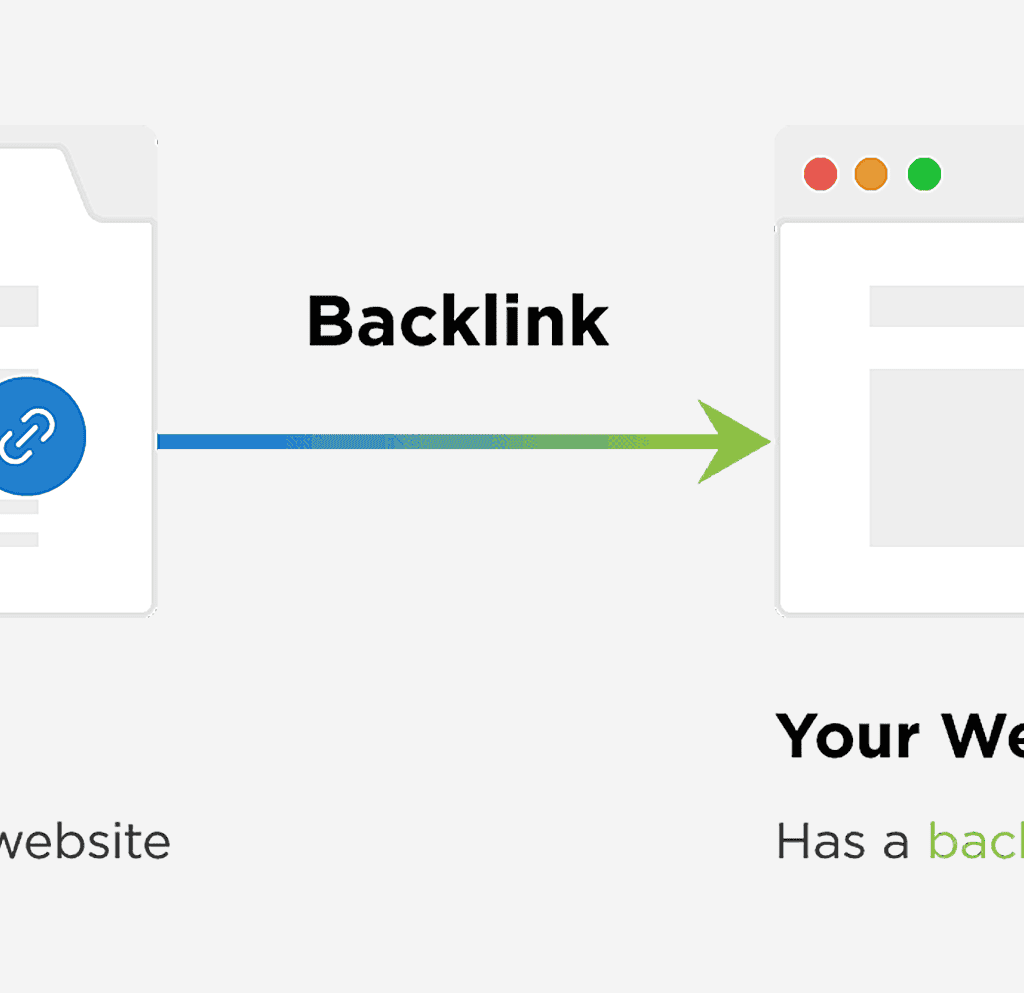
Backlinks are the backbone of SEO. They act as endorsements from other websites, signaling to search engines that your content is valuable and trustworthy. In this guide, we’ll explore what backlinks are, their importance, and how to manage them effectively.  What Are Backlinks? A backlink is a hyperlink from one website to another. Think of it as a vote of confidence; when a reputable site links to your content, it tells search engines that your site is credible.  Why Are Backlinks Important? Backlinks are crucial for several reasons: Authority & Trust: Search engines view backlinks as endorsements. Improved Rankings: Quality backlinks can boost your site’s position in search results. Referral Traffic: They can drive visitors from other websites to yours. According to Backlinko, backlinks are like votes of credibility from other sites. backlinko.com  Quality Over Quantity Not all backlinks are created equal. A few high-quality backlinks from authoritative sites are more beneficial than numerous low-quality ones.techdayhq.com Neil Patel emphasizes that focusing on the quality of backlinks is more effective than merely increasing their number. neilpatel.com  The Danger of Bad Links Bad or toxic backlinks can harm your website’s reputation and rankings. These include links from spammy sites, link farms, or irrelevant sources.backlinko.com Backlinko warns that toxic backlinks are links from external websites that can harm your site’s ranking and online reputation. backlinko.com+1backlinko.com+1  Identifying Good Link Opportunities To build a strong backlink profile: Relevance: Seek links from sites related to your niche. Authority: Target reputable and well-established websites. Engagement: Participate in industry forums and communities.linkedin.com LinkedIn advises finding authoritative links from sites in your space and pursuing links of your own. linkedin.com  Tools to Manage Backlinks Managing your backlinks is essential. Tools like Ahrefs, SEMrush, and Moz can help you monitor your backlink profile, identify toxic links, and discover new link-building opportunities.  Conclusion Backlinks are a vital component of SEO. By focusing on acquiring high-quality backlinks and avoiding toxic ones, you can enhance your website’s authority, improve search rankings, and drive more traffic.

Backlinks: Your Website’s Secret SEO Weapon Read More »

Mobile-First Design: How to Make Your Site Shine on Every Device

📱 Mobile-Friendliness: Design for Every Device In today’s mobile-first world, ensuring your website looks and works great on phones is crucial—for users and SEO. 1. 🌍 The Mobile-First World Mobile usage dominates: Over half of global web traffic now comes from mobile devices figma.com+14content-whale.com+14tympanus.net+14. SEO impact: Google uses mobile‑first indexing—it ranks based on your mobile site’s quality. Non-optimized sites are penalized or omitted searchxpro.com+1content-whale.com+1. User satisfaction matters: Fast, mobile-optimized experiences reduce bounce rates and improve engagement prposting.com. 2. 🔍 Testing Your Mobile-Friendliness Google Mobile-Friendly Test: Paste your URL; it checks viewport settings, button sizes, readability, and layouts prposting.com+14fastercapital.com+14lite14.net+14. Search Console & PageSpeed Insights: Provides actionable insights on mobile usability metrics like touch targets and font size tympanus.net+14hikeseo.co+14semrush.com+14. Do it regularly: Especially after site changes, ad additions, or redesigns hocoos.com. 3. 🔧 Responsive Design: The Best Approach Single HTML, flexible layout: Same URL, adapting its look across devices via CSS media queries—the gold standard Google recommends developers.google.com+1ahrefs.com+1. Fluid grids & flexible images: Use relative units (%, vw) to scale elements cleanly en.wikipedia.org+1kinsta.com+1. Breakpoints for devices: Common breakpoints—desktop (≥1024px), tablet (~768px), smartphone (≤480px) pipedrive.com+1content-whale.com+1. 4. 💡 Tips for Great Mobile UX Thumb-friendly design: Big buttons, ample spacing—no mis-taps blog.hubspot.com+5inkbotdesign.com+5blog.hubspot.com+5. Readable fonts & spacing: Min. 16px font with at least 1.4–1.5 line-height. Keep lines short. Simplify navigation: Use hamburger menus, clear CTAs, easy access to key actions inkbotdesign.com+1pipedrive.com+1. Optimize media: Scale images for mobile, compress file sizes, and use lazy loading. Content prioritization: Place essential info at top; hide extras until needed seo.co+4semrush.com+4hocoos.com+4. Test across devices: Use tools like BrowserStack, “Am I Responsive?”, or responsive test modes in dev tools semrush.com+14designmodo.com+14figma.com+14. ✅ Mobile-Friendly SEO Checklist Element Why It Matters Actions Responsive design Required by Google & better UX Apply CSS media queries & fluid layouts Viewport meta tag Ensures proper scaling <meta name=”viewport” content=”width=device-width, initial-scale=1″> Touch-friendly UI Improves usability Buttons ≥44px, spaced ≥8px Readable content Reduces bounce Fonts ≥16px, short paragraphs Mobile speed Impacts rankings Compress images, lazy-load, cache Mobile testing Prevents layout issues Use Google tools & device emulators 🚀 Final Thoughts With 59–72% of internet users browsing via mobile, a smooth, responsive, and fast mobile experience is non-negotiable ranked.ai+9hikeseo.co+9bird.marketing+9webyking.com+2en.wikipedia.org+2kinsta.com+2blog.hubspot.com+8searchxpro.com+8content-whale.com+8figma.compipedrive.com+3lite14.net+3fastercapital.com+3semrush.comsistrix.com. Start by testing your site, apply responsive design principles, and simplify mobile interactions. Not only will users thank you—but Google will too. Want help implementing responsive breakpoints, setting up mobile tests, or designing thumb-friendly layouts? Just ask—I’d be happy to assist.

Mobile-First Design: How to Make Your Site Shine on Every Device Read More »

Website Speed: Why It Matters & How to Fix It Fast in 2025

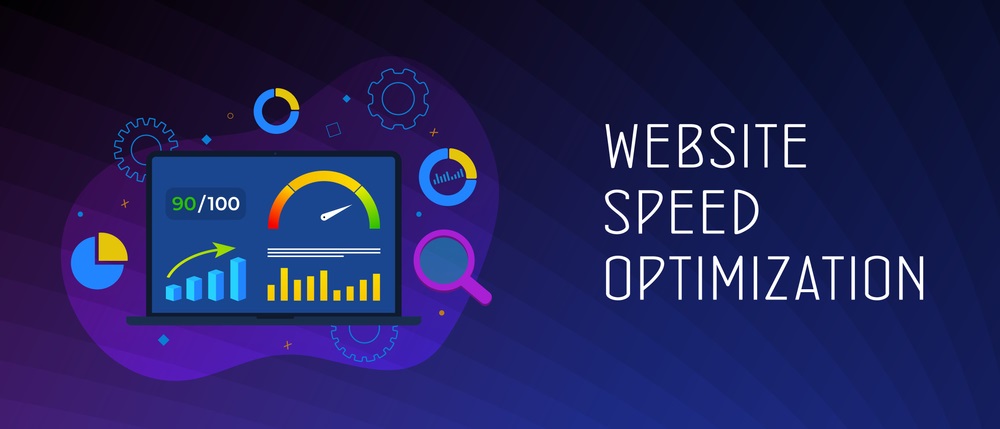
Website Speed: Why Every Second Counts In today’s fast-paced digital world, website speed isn’t just a luxury – it’s a necessity. Whether you’re running a business website, a personal blog, or an e-commerce store, the speed at which your pages load can significantly impact your success. Let’s dive into why website speed matters and what you can do to make your site lightning-fast! Why Speed Matters: Happy Users & Google Love User Experience (UX): Imagine clicking on a link and waiting… and waiting… for the page to load. Frustrating, right?  Visitors have little patience for slow-loading websites. Studies show that a delay of even a few seconds can lead to a significant increase in bounce rates (people leaving your site without interacting). A fast website, on the other hand, provides a smooth and enjoyable browsing experience, keeping users engaged and encouraging them to explore further. Google Ranking Factor: Did you know that Google considers website speed as a ranking factor?  That’s right! Faster websites tend to rank higher in search results. Google prioritizes providing users with a positive experience, and slow websites simply don’t fit that bill. Optimizing your site for speed isn’t just about pleasing your visitors; it’s also about boosting your SEO and getting more organic traffic. Simple Ways to Check Your Speed: Meet Google PageSpeed Insights Want to know how your website is performing? A great (and free!) tool to use is Google PageSpeed Insights. Simply enter your website’s URL, and it will analyze the speed and provide a score for both mobile and desktop versions. It also gives you actionable recommendations on how to improve your site’s performance. It’s a fantastic starting point to identify areas that need attention. Common Speed Killers: The Culprits Behind Slow Websites   Several factors can contribute to a slow website. Here are some of the most common culprits: Large, Unoptimized Images: High-resolution images can significantly increase page load time. Too Many Plugins: While plugins can add great functionality, having too many can bloat your site and slow it down. Poor Hosting: Your web hosting plays a crucial role in your site’s speed. Cheap or overloaded hosting can lead to slow performance. Unminified CSS and JavaScript: Code that isn’t properly compressed can take longer to load. Excessive HTTP Requests: Each element on your page (images, scripts, etc.) requires a separate HTTP request. Too many requests can slow things down. Easy Fixes for a Faster Site: Speed Up Your Load Time! The good news is that there are several relatively easy steps you can take to improve your website’s speed: Compress Your Images: Use tools like TinyPNG or ImageOptim to reduce image file sizes without significant loss in quality. This is often one of the quickest and most effective ways to speed up your site. Choose Good Hosting: Invest in a reliable hosting provider that offers good performance. Consider options like VPS or dedicated servers if your website has significant traffic. Minimize Plugins: Regularly review your plugins and deactivate or uninstall any that you no longer need. Stick to well-coded and essential plugins. Enable Browser Caching: This allows returning visitors’ browsers to store certain elements of your website locally, making subsequent visits faster. Use a Content Delivery Network (CDN): A CDN distributes your website’s files across multiple servers worldwide, allowing users to access your content from a server closer to their location, resulting in faster loading times.    Website speed is a critical factor for both user satisfaction and SEO. By understanding why it matters and implementing these simple fixes, you can create a faster, more enjoyable, and ultimately more successful online presence. So, go ahead, check your website speed today and take those steps towards a faster web!

Website Speed: Why It Matters & How to Fix It Fast in 2025 Read More »

Optimize Your Page Elements for SEO Success

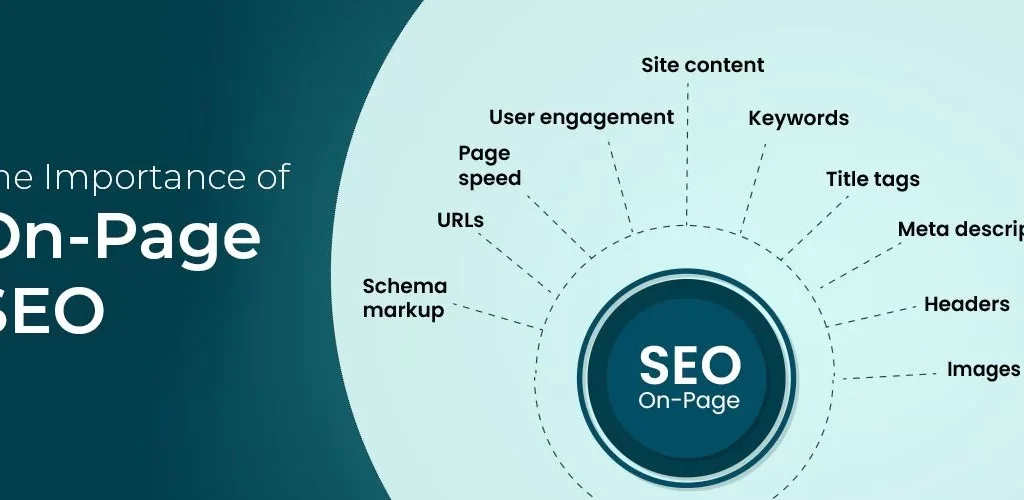
Writing a blog that’s both engaging for readers and primed for search engines starts with fine-tuning your core page elements. Let’s break it down—simple, effective, and SEO-optimized!   1. Title Tags: Your Search-Result Headline Length & placement: Aim for 50–60 characters (~580px), with your primary keyword near the start to ensure full visibility blog.cyberwebserve.com+2mrs.digital+2wscubetech.com+2. Craft for clicks and context: Use emotional triggers (e.g., “How to”, “Proven”) and separators like pipes (|) or hyphens (–) for clarity . Stand out in SERPs: Analyze competitors’ titles, then tweak yours to be more enticing and aligned with user intent .  2. Meta Descriptions: Your Mini-Advert Optimal length: Write around 150–160 characters (under ~920px) to avoid truncation wscubetech.com+3blog.cyberwebserve.com+3mrs.digital+3. Compelling call-to-action: Use action verbs and clearly indicate the page’s value (“Learn how…”, “Discover tips for…”) revenuezen.com+15blog.cyberwebserve.com+15ideamagix.com+15. Avoid repetition: Make each page’s description unique to match its intent ideamagix.com+5revenuezen.com+5blog.cyberwebserve.com+5.  3. URL Structure: Keep It Simple & Descriptive Use short, clear URLs that reflect page content and include your keyword. Example: bash CopyEdit /seo/title-tags-guide/ This improves readability, usability, and SEO.  4. Enhancing Readability Paragraphs: Keep them under 3–4 lines for better flow. Fonts: Choose easy-to-read, web-safe fonts with ample line-height (1.5). Formatting: Use headings (H2, H3), bullet points, images, and bold text to guide readers and break up walls of text.  5. Schema Markup & Rich Snippets: The Basics What is it? Schema markup is structured data (usually in JSON‑LD) that gives search engines explicit context about your content seowebcontentscribe.com+15eversparkinteractive.com+15blog.cyberwebserve.com+15. Why it matters: Enables rich snippets—star ratings, FAQs, event details—that catch users’ eyes and improve click-through rates lbntechsolutions.com+11schemaapp.com+11searchenginejournal.com+11. How to implement: Select the right type from Schema.org (e.g. Article, FAQ, Event). Add JSON‑LD code in your <head>. Validate with Google’s Rich Result Test. Notable benefits: Better CTR, enhanced SERP visibility, more user trust—with minimal coding effort alhmedia.comhostgator.com+12schemaapp.com+12backlinko.com+12.  Example SEO Checklist Element Best Practice Title Tag 55 chars, keyword early, emotional hook Meta Description 150–160 chars, unique summary, strong CTA URL Short, descriptive, includes keyword Readability Short paragraphs, clear headings, easy-to-read font Schema JSON‑LD structured data, validate with Rich Result Test  Sample Blog Section H1: Optimizing Your Page Elements for SEO in 2025H2: Crafting the Perfect Title Tag Include your keyword close to the beginning. Limit it to ~55 characters. Add curiosity: “SEO Title Tag Tips That Actually Convert!” H2: Writing a Meta Description That Converts Summarize what readers will gain. Add verbs: “Explore”, “Discover”. Keep it under 160 characters. H2: Simple, Clean URL StructureUse /seo/title-tag-guide/—short, precise, and keyword-rich. H2: Make Content Easy to Read Break text into digestible chunks. Use headings and lists. Choose fonts like Arial or Roboto, and 1.5 line spacing. H2: Implement Schema for Rich SnippetsAdd JSON-LD: html CopyEdit <script type=”application/ld+json”> { “@context”: “https://schema.org”, “@type”: “Article”, “headline”: “Optimizing Your Page Elements for SEO in 2025”, “description”: “Learn how to craft effective SEO titles, meta descriptions, structured URLs, readability tips, and schema basics.”, “author”: {“@type”: “Person”,”name”: “Your Name”}, “datePublished”: “2025-06-24” } </script> Then, test it using Google’s Rich Result Test Tool. By mastering these key elements—title tags, meta descriptions, URLs, readability, and schema markup—your pages will be both human-friendly and SEO-ready. Let me know if you’d like help with generating schema JSON-LD code, testing your pages, or crafting optimized titles and descriptions!

Optimize Your Page Elements for SEO Success Read More »

SEO-Friendly Blog: Crafting Content That Shines

Hey there! Ready to write a blog that both humans and search engines love? Let’s dive in—fun, simple, and sprinkled with emojis for extra flair! 1.  Quality Content First Write for your readers, not algorithms. Tackle topics they care about, answer real questions, and be genuinely helpful. Search engines reward content that keeps readers engaged longer—so skip shallow posts and go deep! 2.  Smart Keyword Placement Naturally weave your main keyword (e.g., “SEO-friendly content”) into key spots: Title (H1): “How to Craft SEO-Friendly Blog Content That Ranks” First paragraph: Grab attention and include your keyword early. Subheadings (H2/H3): Helps structure your content and boosts SEO. Body, intro, conclusion: Sprinkle in related terms (LSI keywords) for variety. 3.  Structure with Headings Use a clear hierarchy: H1 for your title (once) H2 for main sections H3 for detailed breakdownsThis makes scanning easier for readers and helps search engines understand your flow. 4. Depth Beats Thin Content Longer isn’t always better—but more useful is. Cover the topic thoroughly: definitions, examples, pro tips. A richer post ranks higher and satisfies clicks! 5.  Internal Linking Keep visitors exploring: Link to other blog posts or resources 🎯 Use descriptive anchor text (“learn SEO basics”)This improves SEO and helps guide readers seamlessly. 6.  Optimize Images & Videos Include visuals for clarity and engagement: Use descriptive file names (e.g., seo-keyword-placement.jpg) Add meaningful alt text with keywords (“SEO blog structure example”) Compress images for fast loadingVideo? Embed smartly with titles and transcripts. 7.  Wrap Up with Conclusion Finish strong: Recap key points Include your main keyword again Encourage next steps—like reading another post or leaving a comment!  Sample Blog Post Outline Title (H1): How to Write SEO-Friendly Content: A Simple Guide Intro:Hook readers with a question or benefit and include your keyword early.E.g., “Want people and Google to love your blog? Learn how to craft SEO-friendly content that ranks and connects.” Section H2: Why Quality Content Wins Brief paragraphs Readers stay longer = better ranking Section H2: Where to Place Keywords Intro: tell readers (and search engines) what’s coming Headings: make them keyword-relevant Body: sprinkle naturally—no stuffing! Section H2: The Power of Headings Explain H1/H2/H3 structure Use clear, benefit-driven subheads Section H2: Boost Engagement with Depth Cover FAQ style Include examples, bullet points, and tables Section H2: Link Internally E.g., “curious about keyword research? Check this post.” Helps SEO and user flow Section H2: Smart Image & Video Use Tips on alt text, file names, and compression Conclusion:Summarize and add a CTA: “Try this guide, then explore our SEO keyword research post!”  SEO Checklist Before You Hit Publish Task ✅ Done? Keyword in title Keyword in intro & conclusion Rich H1–H3 structure Deep, detailed content Internal links included Images/videos optimized Snappy, click-worthy meta By following these steps, your blog will be reader-friendly, search-engine-savvy, and fun to read.

SEO-Friendly Blog: Crafting Content That Shines Read More »

keyword research for beginners using Google search

Keyword Research for Beginners: Find the Right Keywords for SEO

Quality Content First: Write for People, Then Optimize for Google Keyword research for beginners is the first and most important step in SEO. It helps you understand the exact words people search for on Google when they need information, products, or services. By learning keyword research in a simple way, beginners can create content that attracts the right visitors and improves search engine rankings naturally. What Does Quality Content Mean? Quality content is content that truly helps your readers. It should be: ✔ Informative and Useful It should answer real questions and solve real problems. ✔ Easy to Read Use simple words, short sentences, and clear ideas. ✔ Original Write in your own words. Do not copy content from other websites. ✔ Trustworthy Share correct information. If needed, use reliable sources. 👉 Always think: “Will this content help my reader?”If the answer is yes, you are on the right path. Where to Use Keywords Naturally Once your content is ready, you can naturally add keywords. Never force them. Here are the best places to use keywords safely: Page Title (H1) Use your main keyword in the main heading. Introduction Add the keyword within the first 100–150 words if possible. Body Content Use keywords only where they fit naturally. Use synonyms too. Subheadings (H2, H3) Subheadings help Google understand your topic clearly. Conclusion You can repeat your main idea using the keyword or a similar phrase. ⚠️ Important:If your content is truly about the topic, keywords will appear naturally. Why Headings Are Important (H1, H2, H3) Headings make your content easy to read and easy to understand. H1 – Main Heading Only one H1 per page. It tells what the page is about. H2 – Main Sections Break the topic into clear parts. H3 – Sub-Points Explain details under H2 sections. Benefits of Using Headings: Readers can scan content easily Google understands your content better Improves user experience and SEO Think of headings like an outline of your content. Create Deep, Helpful Content (Avoid Thin Content) Google prefers content that fully explains a topic. What to Do: Cover the topic in detail Answer related questions Match user search intent Use images, bullet points, and examples What to Avoid: Very short or copied content Content with no real value Writing just for keywords 👉 Be the best answer for that topic. Internal Linking: Connect Your Content Internal links are links from one page of your website to another. Why Internal Links Matter: Help visitors explore your site Help Google find and understand pages Share page authority within your site Best Practices: Link related articles naturally Use meaningful anchor text Avoid “click here” links Don’t add too many links Example:✅ Learn more about SEO keyword research for beginners Use Images and Videos the Right Way Images and videos improve user experience and SEO. Image SEO Tips: File Name ❌ IMG123.jpg ✅ keyword-research-for-beginners.jpg Alt Text Describe the image clearly Add keyword naturally Keep it short Example alt text:Keyword research process for beginners using Google Compress Images Faster loading = better SEO Video SEO Tips: Use YouTube or Vimeo Add keyword-based title & description Use captions or transcript Embed videos in blog posts Videos increase time on site, which helps SEO. Final Thoughts Good SEO starts with good content. If your content: Helps users Is easy to read Is well-structured Uses keywords naturally Then Google will trust and rank it. Write for people. Optimize for search engines. Grow naturally.

Keyword Research for Beginners: Find the Right Keywords for SEO Read More »

Keyword research for beginners to find customer search words

Keyword Research: Find What Customers Search

Keyword Research: Finding the Words Your Customers Use to Search Online Before creating content or selling anything online, you must understand what your audience is searching for and why. This is where keyword research becomes extremely important. Keyword research helps you discover the exact words and phrases people type into search engines when they are looking for information, products, or services like yours. When you choose the right keywords, your website attracts the right visitors, not just random traffic. Think of keywords as a bridge between your audience and your website. If the bridge is strong, people reach you easily. If it’s weak or wrong, they never find you. What Are Keywords? In SEO, a keyword is not just a single word. It can be a word or a phrase that users type into Google or other search engines. Types of Keywords Single-word keywords tea travel car These have very high search volume but unclear intent. Short-tail keywords green tea budget travel electric car They are slightly more specific but still competitive. Long-tail keywords best organic green tea for weight loss in India affordable family travel packages from Delhi cheapest electric car under 10 lakh Long-tail keywords are less competitive and show clear search intent. A person using these searches usually knows exactly what they want and is closer to taking action. 👉 Example: Someone searching for “tea” could be doing research or just browsing. But someone searching for “best organic green tea for weight loss in India” is ready to buy or learn something specific. Brainstorming Keyword Ideas: Start With What You Know Before using any tool, start with your own knowledge. Write down ideas related to your business. Ask Yourself: 1. What products or services do I offer? Ayurvedic hair oil Yoga classes in Mumbai Custom wedding invitations 2. What problems do I solve? Hair fall control Stress relief Unique wedding designs 3. What questions do customers ask? How to use Ayurvedic oil for hair growth? Are online yoga classes effective? What is the cost of wedding invitations in Delhi? 4. What are the related words or synonyms? Hair care Meditation Marriage invites 5. What keywords do competitors use? Look for inspiration, not copying. 💡 Pro Tip: Talk to customers or read comments, emails, and reviews. They often use the exact words your future customers will search for. Simple Keyword Research Tools (Free & Easy) You don’t need expensive tools when you’re starting. These free tools are enough. 1. Google Keyword Planner (Free) Shows average monthly searches Gives keyword ideas Shows competition level (for ads, but still useful) 👉 Use it to expand your keyword list and check popularity. 2. Ubersuggest (Free + Paid) Shows search volume SEO difficulty Related keyword ideas 👉 Select your country (India) for better results. 3. Google Search (Very Powerful & Free) Just type your keyword into Google and observe: Autocomplete suggestions People Also Ask questions Related searches at the bottom These are real searches from real users. Example: Using Google Search Search for “Ayurvedic hair oil” You may see: Autocomplete Ayurvedic hair oil for hair growth Ayurvedic hair oil benefits People Also Ask Which Ayurvedic oil is best for hair growth? Can I apply Ayurvedic oil daily? Related Searches Best hair oil for hair fall Bhringraj oil benefits 👉 These are excellent long-tail keyword ideas. Understanding Keyword Metrics (Simple Explanation) You only need to focus on two things: Search Volume High volume = more searches but more competition Low volume = fewer searches but easier to rank Keyword Difficulty High difficulty = hard to rank Low difficulty = good opportunity 🎯 Your goal: Choose keywords with decent search volume and low competition. Long-Tail Keywords: Your SEO Secret Weapon Long-tail keywords are longer and more specific. Short-tail: coffee Long-tail: best espresso coffee machine for home India Why Long-Tail Keywords Work Better Less competition Higher conversion rate More targeted traffic Someone searching for “affordable yoga classes in Mumbai for beginners” is more likely to enroll than someone searching for “yoga”. Mapping Keywords to Website Pages Each page should focus on one main keyword and a few related keywords. ❌ Don’t use all keywords on one page ✅ Match keywords with search intent Example Keyword Mapping Table Page Primary Keyword Secondary Keywords Search Intent /products/organic-honey buy organic honey online organic honey India, pure honey Transactional /blog/benefits-organic-honey benefits of organic honey honey health benefits Informational /services/seo-audits SEO audit services Mumbai website SEO check Commercial /blog/how-to-start-a-blog how to start a blog in India blogging tips for beginners Informational Final Thoughts Keyword research is the foundation of SEO. It helps your content reach the right audience at the right time. This is not a one-time task—update your keywords as trends and customer behavior change. When you understand how people search, you can create content that truly helps them—and that’s how you grow online.

Keyword Research: Find What Customers Search Read More »

Understanding audience and search intent for effective SEO strategy

Understanding Audience for SEO: A Beginner’s Guide

Understanding your audience for SEO is the first and most important step before working on keywords or website changes. Just like you cannot sell a product without knowing your customers, you cannot succeed with SEO unless you understand who is searching, what problems they face, and how they use search engines to find solutions. Before diving deeper into technical optimizations, it’s essential to focus on user needs, search behavior, and intent. This approach helps attract the right visitors instead of wasting time and effort on the wrong audience. SEO Is About Solving Problems, Not Just Selling Products Many businesses focus only on what they sell: “We sell handmade leather bags” “We provide digital marketing services” But people don’t search like that. They search because they have a problem or requirement. For example: Someone may need a durable office bag Someone may want a unique gift Someone may be looking for ethical or sustainable products Similarly, users don’t just search for “SEO services.” They search things like: “My website is not ranking on Google” “How to get more customers online” “Affordable marketing for small businesses” When your content focuses on solving these real problems, your website becomes more relevant to search engines and users. Creating Customer Personas for Better SEO A customer persona is a simple profile of your ideal customer. It helps you understand how your audience thinks and searches online. Ask these questions: Who are they? (age, location, profession) What are their goals? What problems do they face? What words do they use when searching? What frustrates them about existing options? Example Persona Name: PriyaLocation: BengaluruProfession: Working professionalGoal: A stylish, long-lasting work bagChallenge: Avoids mass-produced, low-quality productsSearch terms: “handcrafted office bags India” “sustainable leather bags” “ethical fashion brands India” By keeping Priya in mind, you can create content that matches real search queries. Understanding Search Intent: Why Users Search Search intent explains why someone types a query into Google. Matching intent is critical for SEO success. 1. Informational Intent Users want answers or knowledge.Examples: “What is GST?” “How to start a blog” Best content: blog posts, guides, FAQs. 2. Navigational Intent Users want a specific website or page.Examples: “Flipkart login” “YouTube Studio” Best content: brand pages, login pages. 3. Transactional Intent Users are ready to buy or take action.Examples: “Buy organic tea online” “SEO services in India” Best content: product pages, service pages. 4. Commercial Investigation Users are comparing options before buying.Examples: “Best laptops for students India” “Top digital marketing agencies” Best content: comparisons, reviews, buyer guides. Creating content that matches the right intent improves rankings and user satisfaction. Why Search Intent Matters for SEO If someone searches “how to fix a leaking tap,” they expect a guide—not a sales page.If they search “buy organic tea Delhi,” they expect prices and product listings. Search engines reward pages that match user intent, so aligning your content with intent improves visibility and trust. Where Your Audience Spends Time Online Knowing where your audience is active helps strengthen your SEO indirectly: Social media promotion can drive traffic Industry blogs can provide backlink opportunities Online communities reveal common questions While Google is the main focus, these platforms help amplify your content and authority. Final Thoughts Understanding your audience is the foundation of successful SEO. When you know who you are targeting, what problems they face, and how they search, SEO becomes easier and more effective. Instead of guessing, you create content that genuinely helps users—and that’s exactly what search engines want to rank.

Understanding Audience for SEO: A Beginner’s Guide Read More »

Traditional Marketing vs Digital Marketing: Key Differences

Traditional Marketing vs Digital Marketing: Understanding the Key Differences To understand modern marketing, it is important to compare traditional marketing vs digital marketing. While digital channels dominate today’s business environment, traditional marketing still plays a key role, especially in a diverse market like India. This chapter explores how both approaches differ, where each works best, and why combining them often delivers stronger results.. What Is Traditional Marketing? Traditional marketing refers to promotional methods that existed before the internet and digital technology. These are offline marketing techniques used to reach audiences through physical and broadcast media. Examples of Traditional Marketing: Print media: Newspapers, magazines, brochures, flyers Broadcast media: Television and radio advertisements Direct mail: Postcards, catalogs, printed newsletters Outdoor advertising: Billboards, posters, bus stop ads Telemarketing: Sales calls Event marketing: Trade shows, exhibitions, sponsorships These methods are still effective for local reach and older audiences. What Is Digital Marketing? Digital marketing includes all marketing activities done using the internet and electronic devices. It helps businesses connect with customers online through multiple digital channels. Examples of Digital Marketing: Search Engine Optimization (SEO) Pay-Per-Click advertising (PPC) Social Media Marketing (SMM) Content Marketing Email Marketing Video Marketing Mobile Marketing Affiliate Marketing Digital marketing focuses on targeted, measurable, and interactive communication. Key Differences Between Traditional and Digital Marketing Reach and Targeting Traditional marketing: Reaches a broad audience with limited targeting Digital marketing: Allows precise targeting based on age, location, interests, and online behavior Interactivity and Engagement Traditional marketing: One-way communication with no instant feedback Digital marketing: Two-way communication through comments, messages, polls, and chats Measurement and Analytics Traditional marketing: Difficult to measure results accurately Digital marketing: Easy to track clicks, traffic, conversions, and ROI Cost and Scalability Traditional marketing: Often expensive and difficult to scale Digital marketing: Budget-friendly, flexible, and easy to scale Speed and Adaptability Traditional marketing: Slow to launch and update Digital marketing: Fast execution with real-time optimization Advantages and Disadvantages Traditional Marketing Advantages Strong local reach Builds brand familiarity Physical and tangible materials Trusted by older audiences Disadvantages High cost Limited targeting Hard to measure results Slow changes Lower engagement with younger users Digital Marketing Advantages Global and local reach Precise targeting and personalization Easy performance tracking Cost-effective and scalable Real-time interaction Builds long-term customer relationships Disadvantages Requires technical skills High online competition Ad fatigue and ad blockers Data privacy concerns Frequent algorithm changes Can feel complex for beginners Integrated Marketing: The Best of Both Worlds Today, the real question is not traditional or digital marketing, but how to use both together effectively. This is known as integrated marketing. Example from the Indian Market: A customer sees a car billboard (traditional) Searches for it on Google (digital) Watches a YouTube review (digital) Sees a social media ad later (digital) Visits the showroom for a test drive (traditional) This journey shows how both marketing methods work together. Final Thoughts Traditional and digital marketing each have their own strengths. Traditional methods help build trust and brand awareness, while digital marketing drives measurable results and customer engagement. Businesses that combine both strategies can reach wider audiences, improve conversions, and stay competitive—especially in a fast-growing market like India. A balanced marketing approach delivers the most sustainable and effective results.

Traditional Marketing vs Digital Marketing: Key Differences Read More »